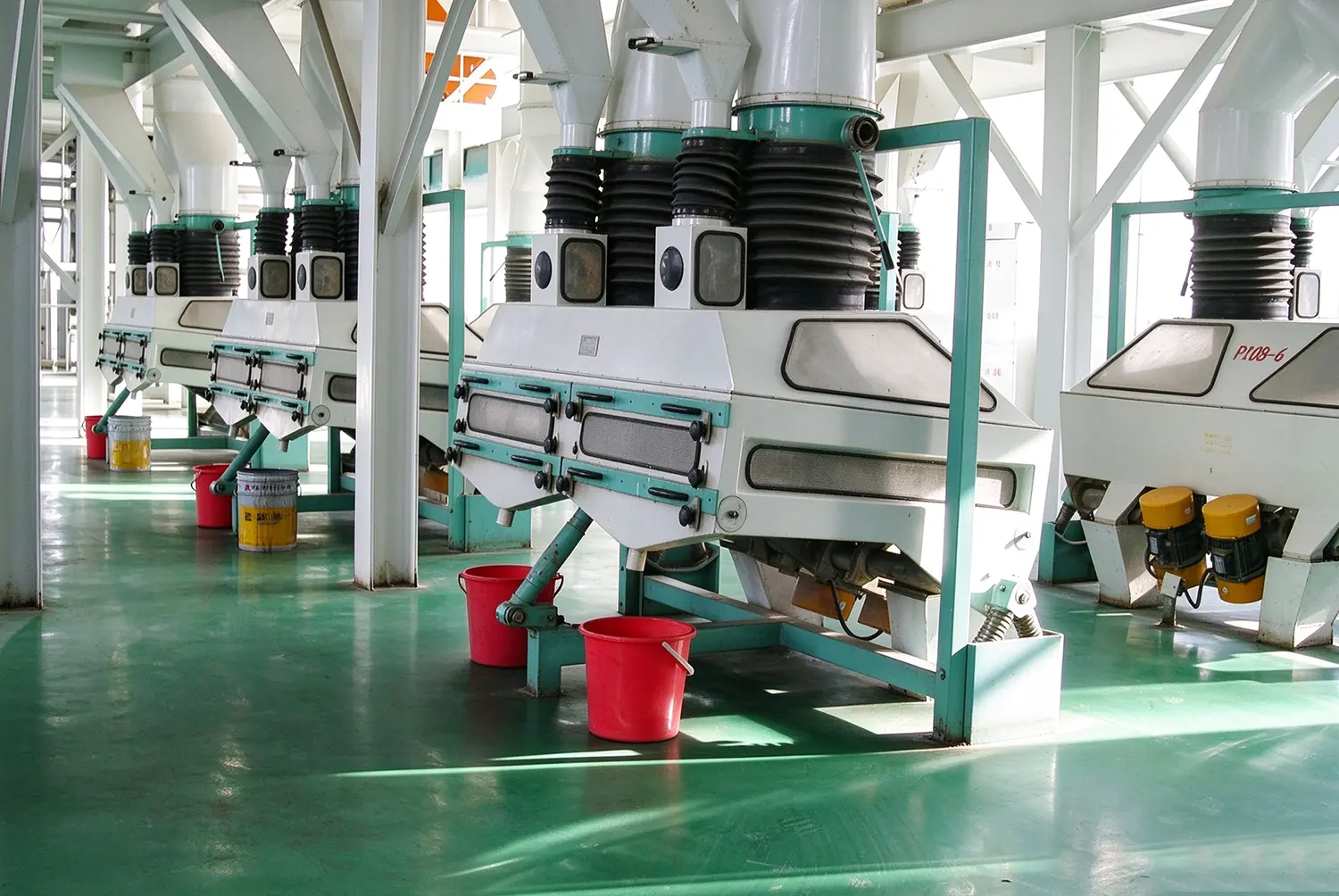
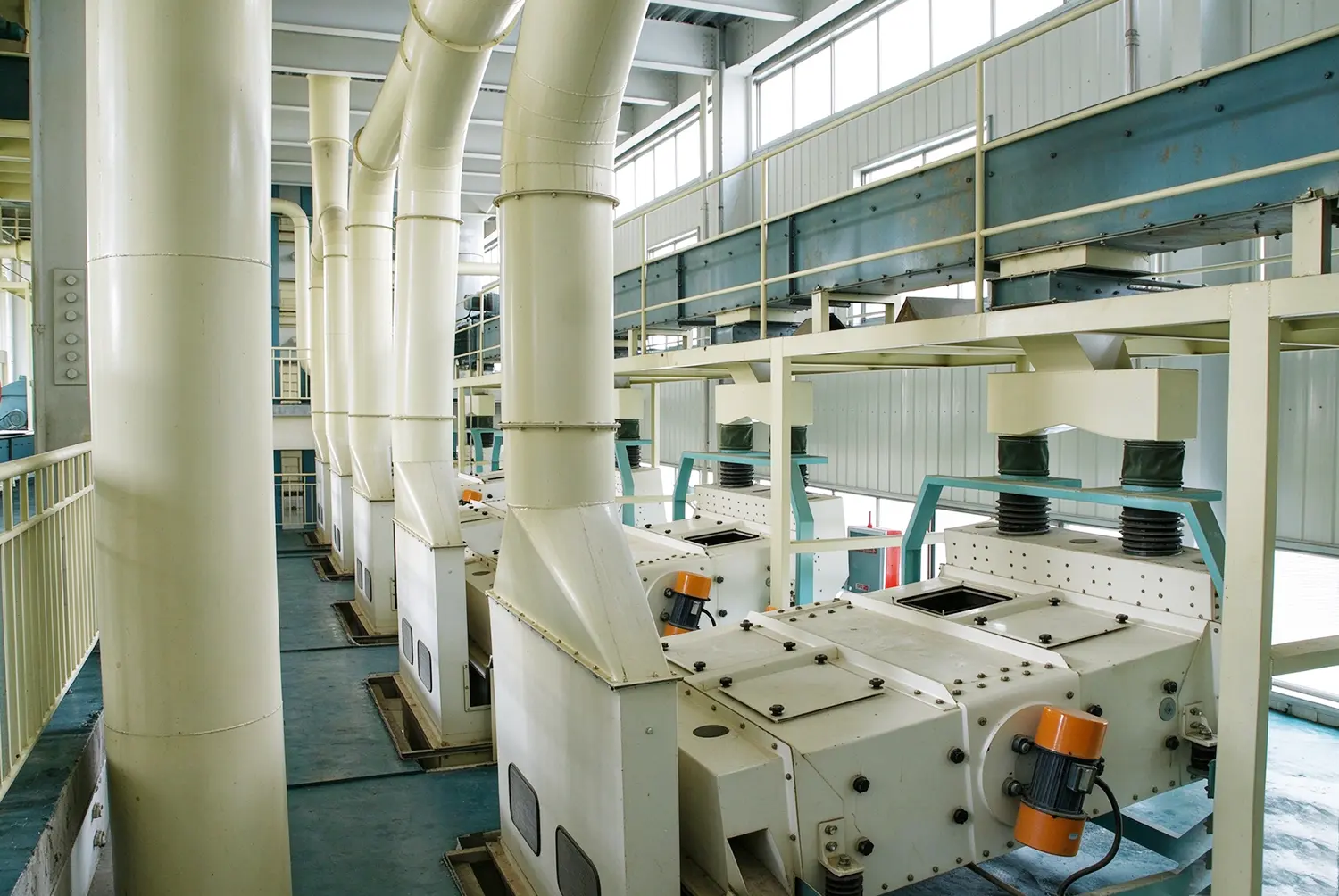
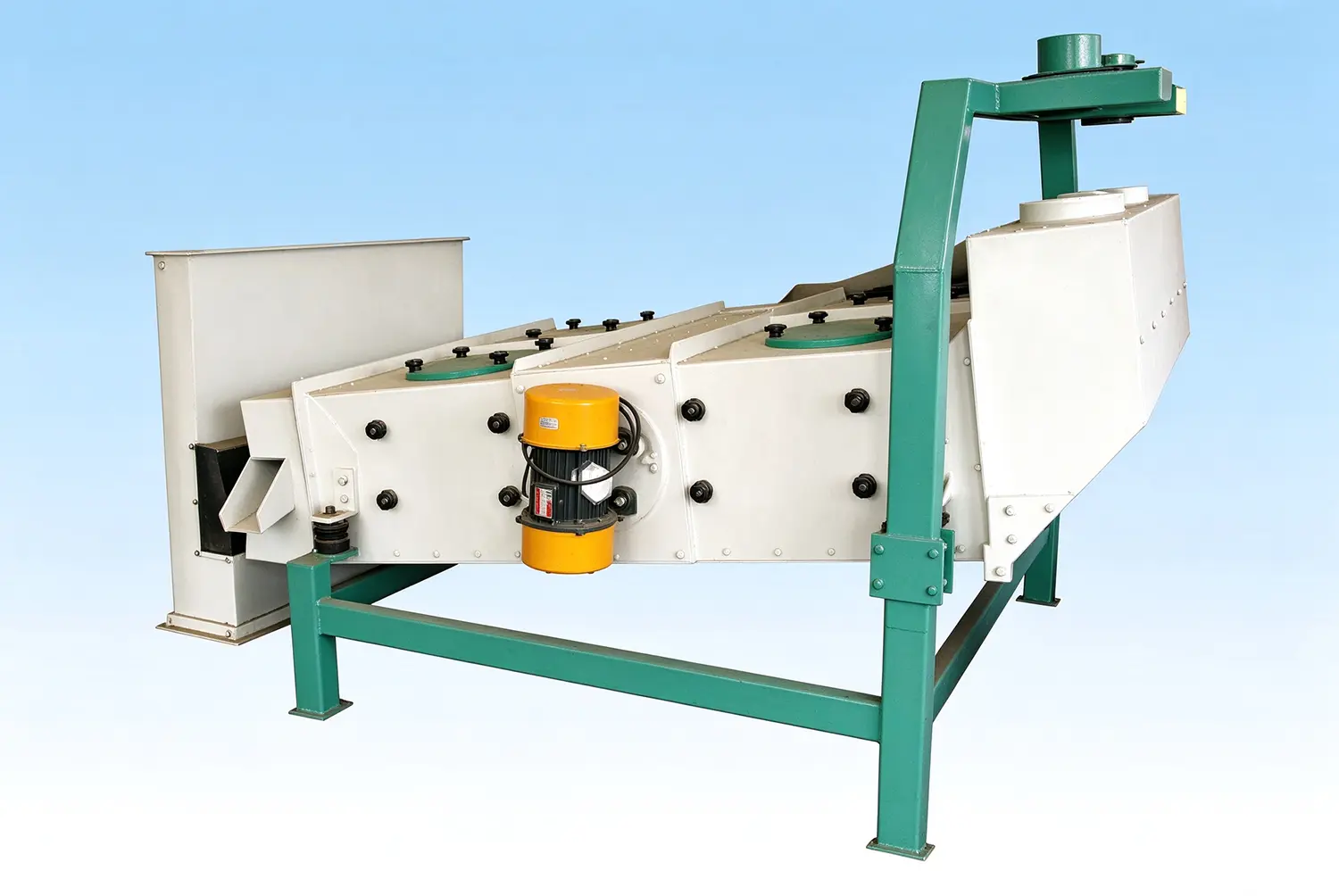
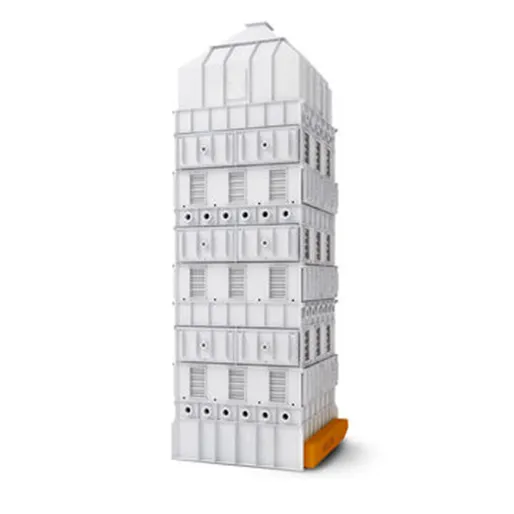
Soybean meal has high requirements for fat content, powder fineness, color and NSI value because it is extensively used as a raw material for production of SPC, SPI, histone and wiredrawing protein. CHEMSTA provides various soybean intensive processing lines, one of which is suitable for production of low temperature soybean meal.
Sunflower Oil Production Line
Soybean meal has high requirements for fat content, powder fineness, color and NSI value because it is extensively used as a raw material for production of SPC, SPI, histone and wiredrawing protein. CHEMSTA provides various soybean intensive processing lines, one of which is suitable for production of low temperature soybean meal.
Rapeseed Oil Production Line
Soybean meal has high requirements for fat content, powder fineness, color and NSI value because it is extensively used as a raw material for production of SPC, SPI, histone and wiredrawing protein. CHEMSTA provides various soybean intensive processing lines, one of which is suitable for production of low temperature soybean meal.
Peanut Oil Production Line
Soybean meal has high requirements for fat content, powder fineness, color and NSI value because it is extensively used as a raw material for production of SPC, SPI, histone and wiredrawing protein. CHEMSTA provides various soybean intensive processing lines, one of which is suitable for production of low temperature soybean meal.
Cotton Seed Oil Production Line
Soybean meal has high requirements for fat content, powder fineness, color and NSI value because it is extensively used as a raw material for production of SPC, SPI, histone and wiredrawing protein. CHEMSTA provides various soybean intensive processing lines, one of which is suitable for production of low temperature soybean meal.
Corn Germ Oil Production Line
Soybean meal has high requirements for fat content, powder fineness, color and NSI value because it is extensively used as a raw material for production of SPC, SPI, histone and wiredrawing protein. CHEMSTA provides various soybean intensive processing lines, one of which is suitable for production of low temperature soybean meal.
Rice Bran Oil Production Line
Soybean meal has high requirements for fat content, powder fineness, color and NSI value because it is extensively used as a raw material for production of SPC, SPI, histone and wiredrawing protein. CHEMSTA provides various soybean intensive processing lines, one of which is suitable for production of low temperature soybean meal.
Sesame Oil Production Line
Soybean meal has high requirements for fat content, powder fineness, color and NSI value because it is extensively used as a raw material for production of SPC, SPI, histone and wiredrawing protein. CHEMSTA provides various soybean intensive processing lines, one of which is suitable for production of low temperature soybean meal.
Soybean White Flake
Soybean meal has high requirements for fat content, powder fineness, color and NSI value because it is extensively used as a raw material for production of SPC, SPI, histone and wiredrawing protein. CHEMSTA provides various soybean intensive processing lines, one of which is suitable for production of low temperature soybean meal.
Soybean Protein Concentrate (SPC)
Soybean meal has high requirements for fat content, powder fineness, color and NSI value because it is extensively used as a raw material for production of SPC, SPI, histone and wiredrawing protein. CHEMSTA provides various soybean intensive processing lines, one of which is suitable for production of low temperature soybean meal.
Soybean Protein Isolate (SPI)
Soybean meal has high requirements for fat content, powder fineness, color and NSI value because it is extensively used as a raw material for production of SPC, SPI, histone and wiredrawing protein. CHEMSTA provides various soybean intensive processing lines, one of which is suitable for production of low temperature soybean meal.
Peanut Protein
Soybean meal has high requirements for fat content, powder fineness, color and NSI value because it is extensively used as a raw material for production of SPC, SPI, histone and wiredrawing protein. CHEMSTA provides various soybean intensive processing lines, one of which is suitable for production of low temperature soybean meal.
Cottonseed Protein
Soybean meal has high requirements for fat content, powder fineness, color and NSI value because it is extensively used as a raw material for production of SPC, SPI, histone and wiredrawing protein. CHEMSTA provides various soybean intensive processing lines, one of which is suitable for production of low temperature soybean meal.
Sunflower Protein
Soybean meal has high requirements for fat content, powder fineness, color and NSI value because it is extensively used as a raw material for production of SPC, SPI, histone and wiredrawing protein. CHEMSTA provides various soybean intensive processing lines, one of which is suitable for production of low temperature soybean meal.
Other Vegetable Protein
Soybean meal has high requirements for fat content, powder fineness, color and NSI value because it is extensively used as a raw material for production of SPC, SPI, histone and wiredrawing protein. CHEMSTA provides various soybean intensive processing lines, one of which is suitable for production of low temperature soybean meal.
The extractor is the core equipment of an extraction workshop. Among all extractor types, the drag chain extractor features cutting-edge technology, strong material adaptability and superior performance.
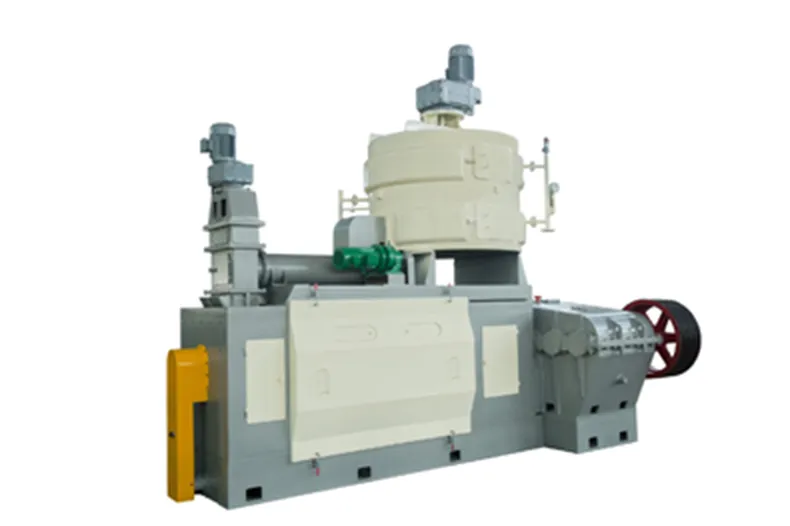
Screw Oil Press
A screw press consists of a continuous, helical thread that revolves within a stationary, perforated cylinder.
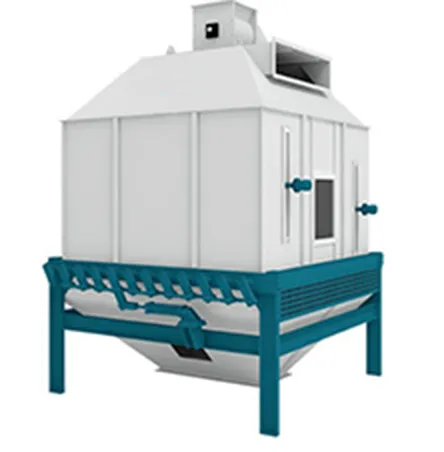
Flap Cooler
Depending on the type of oilseed, different pretreatment, pressing, puffing, and solvent extraction processes are employed to produce high-quality meal and edible oils through a mechanized, continuous production line with a fully computerized, automated production process.
Expander
When preparing seeds for oil extraction, the seed needs to be heated and dried to the correct temperature and moisture.
Softening Cooker
A screw press consists of a continuous, helical thread that revolves within a stationary, perforated cylinder.
Aspirator
Depending on the type of oilseed, different pretreatment, pressing, puffing, and solvent extraction processes are employed to produce high-quality meal and edible oils through a mechanized, continuous production line with a fully computerized, automated production process.
Crushing Machine
When preparing seeds for oil extraction, the seed needs to be heated and dried to the correct temperature and moisture.
Flaker
A screw press consists of a continuous, helical thread that revolves within a stationary, perforated cylinder.
Oil solvent stripping tower
A screw press consists of a continuous, helical thread that revolves within a stationary, perforated cylinder.
Deodorization tower
A screw press consists of a continuous, helical thread that revolves within a stationary, perforated cylinder.
Horizontal desolventizer B
A screw press consists of a continuous, helical thread that revolves within a stationary, perforated cylinder.
Evaporator
A screw press consists of a continuous, helical thread that revolves within a stationary, perforated cylinder.
Soybean meal has high requirements for fat content, powder fineness, color and NSI value because it is extensively used as a raw material for production of SPC, SPI, histone and wiredrawing protein. CHEMSTA provides various soybean intensive processing lines, one of which is suitable for production of low temperature soybean meal.
Process Description of Pretreatment Workshop
Click to view the process flowchart
The pretreatment workshop consists of the following sections:
1Cleaning Section
2Conditioning and Drying Section
3Dehulling Section
4Softening Section
5Flaking Section
Cleaning Section
Purpose:
1.Remove impurities from raw materials, including dust, rope ends, straw stalks, soil clods, stones, bean pods, oversized and undersized bean grains, etc.
2.Remove moldy beans, defective beans and heterochromatic grains via color sorting to improve raw material quality.
Principle:
1.Impurities are separated from soybeans based on differences in specific gravity, volume and surface characteristics.
2.Moldy and heterochromatic defective grains are identified by comparing with the standard color value of soybeans, then unqualified grains are separated and removed by high-pressure air flow.
Process Flow: Raw material soybeans are fed into the cleaning sieve through the feed scraper conveyor and feed elevator to remove large impurities. Heavy impurities such as stones are then separated by the destoner, and metal impurities are removed by a magnetic separator. Then, the materials enter the color sorter to remove moldy and defective beans. Unqualified products flow back to the temporary storage tank, and qualified soybeans are sent to the subsequent conditioning section.
Common Equipment: Cleaning sieve, destoner, magnetic separator, color sorter, air lock, cyclone separator, pulse dust collector, fan.
Conditioning and Drying Section
Purpose: Regulate the moisture content and temperature of soybeans, reduce the adhesion between soybean hulls and kernels, and make hulls easier to peel off during subsequent crushing.
Principle:Low-temperature hot air contacts soybeans in countercurrent flow, carrying away free moisture inside the grains. The different shrinkage rates of soybean hulls and kernels weaken the bonding strength between the two.
Process Flow: Qualified soybeans pass through the wetting screw conveyor and wetting tank in sequence for being pre-watered, then enter the conditioning and drying tower. The hot air heater provides low temperature hot air for countercurrent drying and conditioning. After moisture adjustment, the materials are conveyed to the dehulling section through air lock, conveying scraper and elevators. All dust is collected by the dust removal system.
Common Equipment: Conditioning and drying tower, air lock, wetting screw conveyor, wetting tank.
Dehulling Section
Purpose: Improve oil yield, enhance the quality of crude oil and meal, reduce equipment wear, increase the effective production capacity of equipment, facilitate subsequent processes such as flaking, and support comprehensive utilization of hulls.
Principle: Dehulling is completed by friction, impact, shearing, extrusion, etc. Separated whole beans flow back to the front-end dehuller for reprocessing.
Process Flow: Conditioned soybeans are fed into the dehuller for crushing and dehulling. The discharged materials are sent to the aspirator through the collection scraper and elevator to separate soybean hulls and kernels by specific gravity. The grading sieve then screens out qualified crushed soybeans, broken hulls and unhulled whole soybeans. The whole soybeans flow back to the dehuller for reprocessing, and soybean hulls are collected centrally by the hull collection scraper and sent to the hull warehouse for packaging.
Common Equipment: Grading sieve, dehuller, aspirator, hull elevator.
Softening Section
Purpose: After softening, the oilseeds have appropriate elasticity and plasticity with uniform internal and external properties, which meets the process requirements of flaking.
Principle: This section increases the plasticity of oilseeds by adjusting moisture and temperature, and is mainly applied to oilseeds with low oil content and low moisture content.
Process Flow: Graded qualified crushed soybeans are conveyed to the softening kettle by an elevator for conditioning and softening. After softening, the materials goes through re aspiration and dehulling, and are finally sent to the flaking section by the conveying scraper.
Common Equipment: Softening kettle.
Flaking Section
Purpose: Destroy the cell tissue of oilseeds, increase the surface area of oilseeds, shorten the flow path of oil release, and facilitate oil extraction.
Principle: The process of rolling granular oilseeds into flakes by mechanical action.
Process Flow: The softened materials are fed into the flaker and rolled into raw flakes. The raw flakes are conveyed to the extraction workshop through the collection scraper, flake embedded scraper conveyor and horizontal scraper.
Common Equipment: Flaker, collection scraper, flake embedded scraper conveyor.
Process Description of Extraction Workshop
Click to view the process flowchart
Extraction Section
Wet Meal Desolventizing Section
Evaporation & Condensation Recovery Section
Exhaust Gas Recovery Section
Rotocel Extractor
Extraction Section
1.Purpose: Pretreated soybean flakes are counter-currently circulated and contacted with solvent inside the extractor. Oil is separated from soybean flakes through spraying, soaking and permeation extraction.
2.Principle: Utilize solvent capable of dissolving oil and fat, and extract the oil and fat from the soybean flakes through the effects of wetting penetration, molecular diffusion, and convective diffusion.
3.Process Description: Pretreated soybean flakes are conveyed into the extractor through the feeding scraper conveyor. Preheated fresh solvent is pumped into the extractor, flowing counter to the material. The solvent sprays and permeates the material to extract oil and fat.
CHEMSTA vegetable oil&fats refining production line is used to refine various oils, including soybean oil, rapeseed oil, cottonseed oil, peanut oil, sunflower seed oil, corn germ oil, and rice bran oil. This production line features a capacity of 30-1,000 tons of crude oil per day, and is able to eliminate plasticizer (DEHP) pollution and prevent the formation of trans fatty acids (TFA) in an efficient manner.
1Degumming and Neutralization Section
2Bleaching section
3Dewaxing
4Deodorization
5Crude Oil Filtration
6Phospholipid Concentration and Drying
Degumming and Neutralization Section
Purpose: 1.Remove impurities from raw materials, including dust, rope ends, straw stalks, soil clods, stones, bean pods, oversized and undersized bean grains, etc. 2. Remove moldy beans, defective beans and heterochromatic grains via color sorting to improve raw material quality.
Purpose: 1.Remove impurities from raw materials, including dust, rope ends, straw stalks, soil clods, stones, bean pods, oversized and undersized bean grains, etc. 2. Remove moldy beans, defective beans and heterochromatic grains via color sorting to improve raw material quality.
Bleaching section
Purpose: 1.Remove impurities from raw materials, including dust, rope ends, straw stalks, soil clods, stones, bean pods, oversized and undersized bean grains, etc. 2. Remove moldy beans, defective beans and heterochromatic grains via color sorting to improve raw material quality.
Purpose: 1.Remove impurities from raw materials, including dust, rope ends, straw stalks, soil clods, stones, bean pods, oversized and undersized bean grains, etc. 2. Remove moldy beans, defective beans and heterochromatic grains via color sorting to improve raw material quality.
Dewaxing
Purpose: 1.Remove impurities from raw materials, including dust, rope ends, straw stalks, soil clods, stones, bean pods, oversized and undersized bean grains, etc. 2. Remove moldy beans, defective beans and heterochromatic grains via color sorting to improve raw material quality.
Purpose: 1.Remove impurities from raw materials, including dust, rope ends, straw stalks, soil clods, stones, bean pods, oversized and undersized bean grains, etc. 2. Remove moldy beans, defective beans and heterochromatic grains via color sorting to improve raw material quality.
Deodorization
Purpose: 1.Remove impurities from raw materials, including dust, rope ends, straw stalks, soil clods, stones, bean pods, oversized and undersized bean grains, etc. 2. Remove moldy beans, defective beans and heterochromatic grains via color sorting to improve raw material quality.
Purpose: 1.Remove impurities from raw materials, including dust, rope ends, straw stalks, soil clods, stones, bean pods, oversized and undersized bean grains, etc. 2. Remove moldy beans, defective beans and heterochromatic grains via color sorting to improve raw material quality.
Crude Oil Filtration
Purpose: 1.Remove impurities from raw materials, including dust, rope ends, straw stalks, soil clods, stones, bean pods, oversized and undersized bean grains, etc. 2. Remove moldy beans, defective beans and heterochromatic grains via color sorting to improve raw material quality.
Purpose: 1.Remove impurities from raw materials, including dust, rope ends, straw stalks, soil clods, stones, bean pods, oversized and undersized bean grains, etc. 2. Remove moldy beans, defective beans and heterochromatic grains via color sorting to improve raw material quality.
Phospholipid Concentration and Drying
Purpose: 1.Remove impurities from raw materials, including dust, rope ends, straw stalks, soil clods, stones, bean pods, oversized and undersized bean grains, etc. 2. Remove moldy beans, defective beans and heterochromatic grains via color sorting to improve raw material quality.
Purpose: 1.Remove impurities from raw materials, including dust, rope ends, straw stalks, soil clods, stones, bean pods, oversized and undersized bean grains, etc. 2. Remove moldy beans, defective beans and heterochromatic grains via color sorting to improve raw material quality.